Fred Provenza, Beth Burrit, Juan Viallba and colleagues at Utah State University have discovers that palatability is MORE than a matter of taste. |
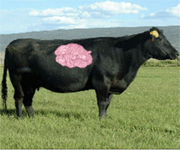
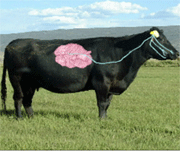
Both the brain and the rumen (or stomach) have a role to play in what an animal decides to eat. |
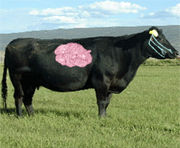
Nerves from the mouth and the nose lead directly to the brain which catalogs the tastes and smells it receives. |
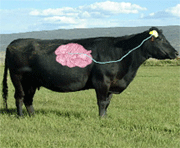
Likewise nerves from the rumen (or stomach) take feedback to the brain about nutrients and toxins in the foods being processed. |
| The nerves from the nose, mouth, and rumen/stomach all meet in the same pathway in the brain. |
The brain matches the feedback from the rumen to the taste and smell of a food and then categorizes tastes based on the food's nutrtional value. |
The brain considers the changing nutritional needs of the animal and adjusts how much an animal eats to best take advantage of the nutrients and toxins in a food. |
Nutrients tend to increase palatability, and toxins tend to decrease it. All plants have toxins that change over the course of the growing season, so we are constantly adjusting what we eat and mixing foods to prevent bad feedback. |