
 |
 |
 |
 |
 |
 |
 |
 |
Educated Cows Eat Weeds! |
What's Edible? |
Weeds As Nutritious As Alfalfa |
||
All animals eat what their mothers taught them to eat. They also learn from their herd mates. So if their mothers and herd mates didn't eat weeds, they won't eat them either. And because we are all a little afraid of trying new things, your livestock probably won't experiment unless they have to. Research also shows that when an animal finds a food that meets its nutritional requirements, it will choose those foods over and over again. (See the Palatability Expert for more). Fortunately, Most weeds are quite nutritious! We've tested many of the weeds we've trained cows to eat, and researched others to arrive at a rule of thumb: if something is green and growing, it is likely nutritious. The older it is, the less nutritious it is. But just because a weed's nutritional value is low at a particular point doesn't mean it's not palatable. My summer of 2007 experience with late-season diffuse knapweed is a case in point. Cows ate it in spite of the fact that it was only 8% protein. Still, not all plants are edible. Before you decide to feed a new plant to your animals you need to know what toxins it contains! Toxins are chemicals all plants produce to reduce grazing. In many cases animals can protect themselves from toxins by mixing forages. We're also learning that nutrients and toxins interact to offset potential negative effects. There are a variety of books and resources that will give you a good idea if a plant is toxic. But keep in mind that many of the resources we have about toxins in plants were written from a restricted paradigm about what livestock can and can't do. One of the best places to start is with our edible plants list, and the book "Cows Eat Weeds." Both are based on our research in books, journal articles, and get input from colleagues doing research on poisonous plants before deciding if a plant is edible. |
Check our edible plants list to learn more |
||
Cows Are Great Brush Managers! |
|||
See what I've learned when I compared my work with goats and my work with cows as brush managers. You'll be surprised! |
|||
Don't Worry About Spines & Prickles! |
|||
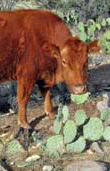 |
Weed-trainees don't mind prickly plants. In 7 years of working with weed-eating cows, we have never had an injury or illness as as result of spines or thorns. |
||
 |
 |
|
Your palatability expert says, nutrients increase palatability, while toxins decrease them. |